How Much Does It Cost to Start Playing Golf in 2026?
A realistic, no-hype breakdown of what it costs to start golfing in 2026 — clubs, balls, shoes, green fees, and range balls — on any budget, plus exactly where to save and where not to.
Golf has a reputation for being expensive — country club memberships, $600 drivers, designer apparel. But that reputation is mostly wrong for beginners. The real cost to start playing golf in 2026 is around $300–$500, and you can get going for even less. This guide breaks down every cost honestly, shows you three realistic budgets, and tells you exactly where to spend and where to save.
With a record 48 million Americans now playing — many of them starting off-course at ranges and simulators before ever stepping on a fairway — there have never been more affordable ways to get into the game.
The quick math: what it really costs to start
Here's the realistic one-time cost to get equipped and out on the course:
| Item | Budget option | Typical | What you get |
|---|---|---|---|
| Clubs (with bag) | $150 (used) | $200–$400 (boxed set) | A full beginner set |
| Golf balls | $20 (a dozen) | $20–$40 | Soft, low-compression balls |
| Tees & markers | $5 | $5–$10 | A season's worth |
| Glove | $10 | $10–$25 | Grip and comfort |
| Shoes | $0 (use trainers) | $40–$80 | Traction (optional at first) |
| One-time total | ~$185 | ~$300–$500 | Ready to play |
Add a round of golf ($20–$60) and you're on the course for well under $600, all-in. Compare that to the startup cost of skiing, cycling, or scuba diving and golf is actually mid-pack — not the luxury it's made out to be.
 Photo by W.carter via Wikimedia Commons (CC0)
One-time costs, explained
Clubs: your biggest first purchase
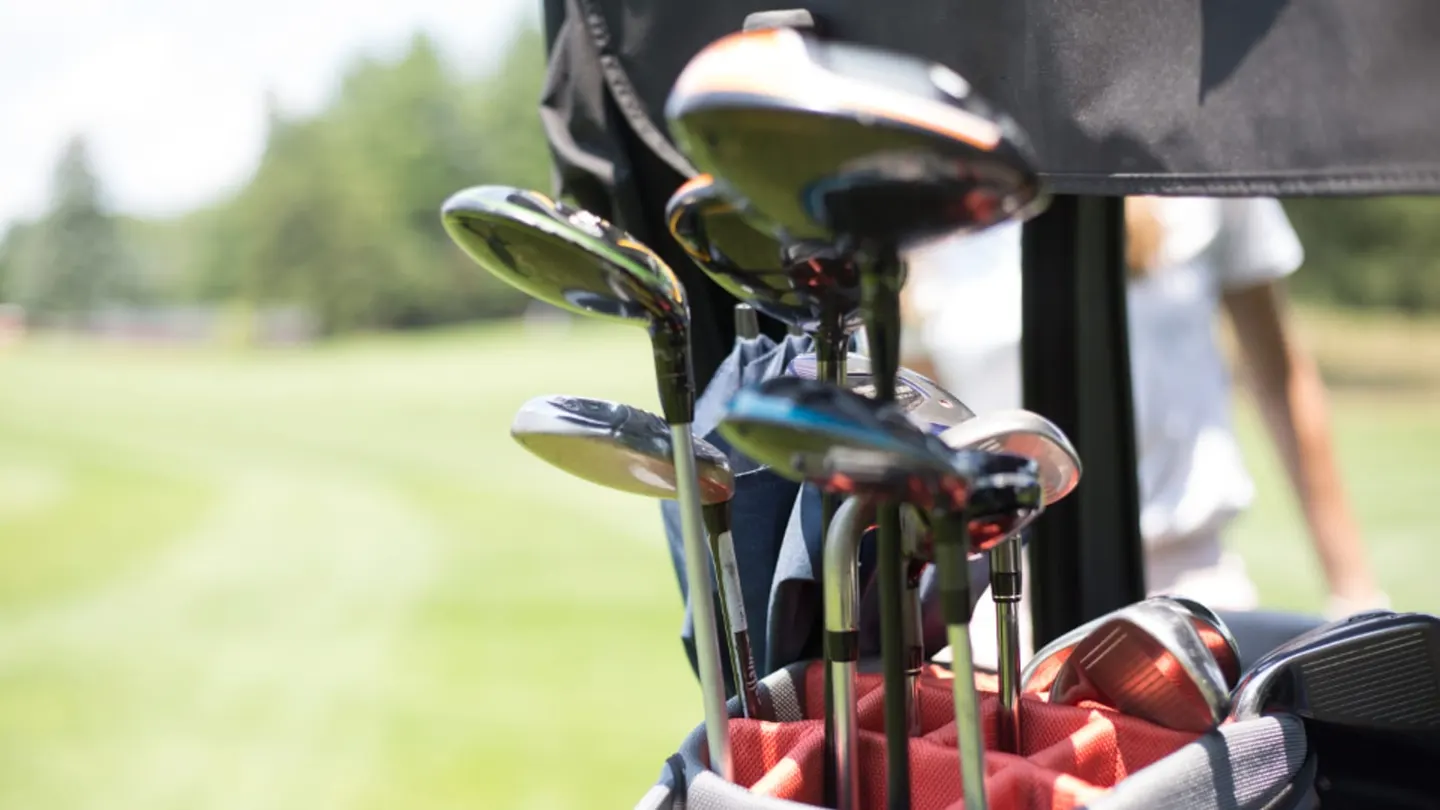
Clubs are the single largest startup cost, and where beginners most often overspend. You do not need premium clubs. A complete boxed beginner set — driver, wood or hybrid, irons, wedge, putter, and bag — costs $200–$400 and includes everything you need. Used sets can be had for $150 or less.
Why not buy nice clubs right away? Because your swing will change enormously in year one, so gear fitted to today's swing won't suit tomorrow's. We cover exactly which clubs matter in what golf clubs a beginner actually needs.
Balls, tees, and the small stuff
- Golf balls: As a beginner, you'll lose balls — so don't play $50-a-dozen tour balls. A dozen soft, low-compression balls ($20–$25) are perfect for slower swings and forgiving on the wallet. Buy "recycled"/used balls to save even more.
- Tees: A bag of wooden tees is a few dollars and lasts months.
- Glove: A single glove ($10–$25) improves grip and prevents blisters.
- Shoes: Totally optional to start — clean trainers with a flat sole work fine. Add golf shoes later for better traction.
Ongoing costs: what you'll pay to keep playing
The startup cost is one-time; the ongoing cost is where golf's price really lives. The good news: it's almost entirely up to you.
| Ongoing cost | Typical price | How to keep it low |
|---|---|---|
| Green fees (18 holes) | $20–$60 public / $80–$300 resort | Play municipal courses & twilight times |
| 9-hole rounds | $12–$30 | Play 9 instead of 18 |
| Driving range bucket | $10–$20 | Buy a range membership if you go often |
| Lessons | $40–$80 individual / $15–$30 group | Take group lessons or clinics |
| Cart rental | $15–$25 | Walk instead — it's free and better exercise |
Green fees are the biggest variable. A municipal or "muni" course might charge $25 for 18 holes; a resort course can be $250 for the same round. As a beginner, stick to municipal and public courses — they're cheaper, more relaxed, and more welcoming while you learn.
 Photo by Cbaile19 via Wikimedia Commons (CC0)
Three realistic budgets
Everyone's situation is different, so here are three complete ways to start, from shoestring to comfortable:
The shoestring start (~$150–$250)
- Borrow or rent clubs, or buy a used set ($100–$150)
- A dozen recycled balls + tees ($15)
- Practice at the range with a bucket or two ($20)
- Play 9 holes at a municipal course ($15)
Perfect for: testing whether golf is for you before committing.
The standard start (~$350–$550)
- A boxed beginner set with a bag ($250–$350)
- New low-compression balls, glove, tees ($40)
- A couple of group lessons ($50–$90)
- A few 18-hole muni rounds ($60–$120)
Perfect for: most new golfers who know they want to stick with it.
The comfortable start (~$700–$1,000)
- A better step-up set or lightly-used premium clubs ($450–$600)
- Golf shoes, a rangefinder, quality balls ($150–$250)
- A lesson package with a PGA pro ($150–$250)
Perfect for: players who are all-in and want gear that lasts several seasons.
Where to save (and where not to)
After equipping hundreds of beginners, here's the clearest advice we can give on spending:
Save on:
- Clubs — buy used or a boxed set; upgrade in year two.
- Balls — recycled or low-compression, never premium tour balls.
- Carts — walk when you can; it's free and good for you.
- Green fees — municipal courses, twilight rates, and 9-hole rounds.
Spend on:
- Lessons. A few sessions with a PGA professional will improve your scores — and your enjoyment — more than any piece of equipment. This is the highest-return dollar in all of golf.
- Range time. Cheap, low-pressure, and the fastest way to build a repeatable swing.
- A glove and comfortable footwear. Small costs that make every round more pleasant.
The pattern is simple: spend money on getting better, not on gear. A beginner with a $250 set and a coach will out-improve — and out-enjoy — a beginner with a $2,000 bag and no instruction, every time. It's the same lesson that runs through our guide on how to break 100: skill beats equipment.
Off-course golf: the cheapest way to start of all
One more modern option: you don't even need a course to begin. Driving ranges, indoor simulators, and Topgolf-style venues let you swing for $10–$30 an hour with rented clubs and zero commitment. Nearly 19 million Americans now play golf exclusively off-course. It's a fantastic, low-cost way to build a swing and decide whether to invest in the full setup — before you spend a dollar on clubs.
The bottom line
Golf is far more affordable to start than its reputation suggests. Budget around $300–$500 to get fully equipped and on the course, less if you buy used or start at the range. Keep ongoing costs down with municipal courses and walking, and pour your money into lessons rather than gear.
Ready to take the next step? Start with the clubs a beginner actually needs, brush up on golf etiquette so your first round goes smoothly, and learn the lingo before you tee it up. The game is waiting — and it costs less to join than you think.
Frequently asked questions
- Can I start playing golf on a tight budget?
- Yes. With a used or boxed club set, range balls, and municipal green fees, you can start golfing for under $300. Renting or borrowing clubs and playing twilight or off-peak tee times brings the cost down even further.
- How much do golf clubs cost for a beginner?
- A quality boxed beginner set with a bag runs about $200–$400 and includes everything you need. Premium individual clubs are unnecessary in your first year — spend the savings on lessons and practice instead.
- Is golf an expensive hobby?
- It can be, but it doesn't have to be. Public and municipal courses, off-peak tee times, used gear, and driving-range practice keep costs low. The biggest ongoing expense is green fees, which vary hugely by course and time of day.
- How much does it cost to play a round of golf?
- Green fees at a public or municipal course typically run $20–$60 for 18 holes in 2026, and often less at twilight. Upscale public and resort courses charge $80–$300+. Municipal courses are the most beginner-friendly on price.
- What is the cheapest way to get into golf?
- Start at the driving range with rented or borrowed clubs ($10–$20 a bucket), take a group lesson, then buy a used or boxed set once you're hooked. Play 9 holes at a municipal course to keep early rounds cheap and short.
- Do I need golf shoes to start?
- No. Clean athletic trainers with a flat, grippy sole are fine for your first rounds. Golf shoes improve traction and comfort, but they're an upgrade you can add later — not a requirement to begin.
Keep reading
What Golf Clubs Does a Beginner Actually Need?
You don't need 14 clubs to start golf. Here's the exact minimal set — driver, hybrid, a few irons, two wedges, and a putter — plus what to buy, what to skip, and how much to spend in 2026.
June 28, 2026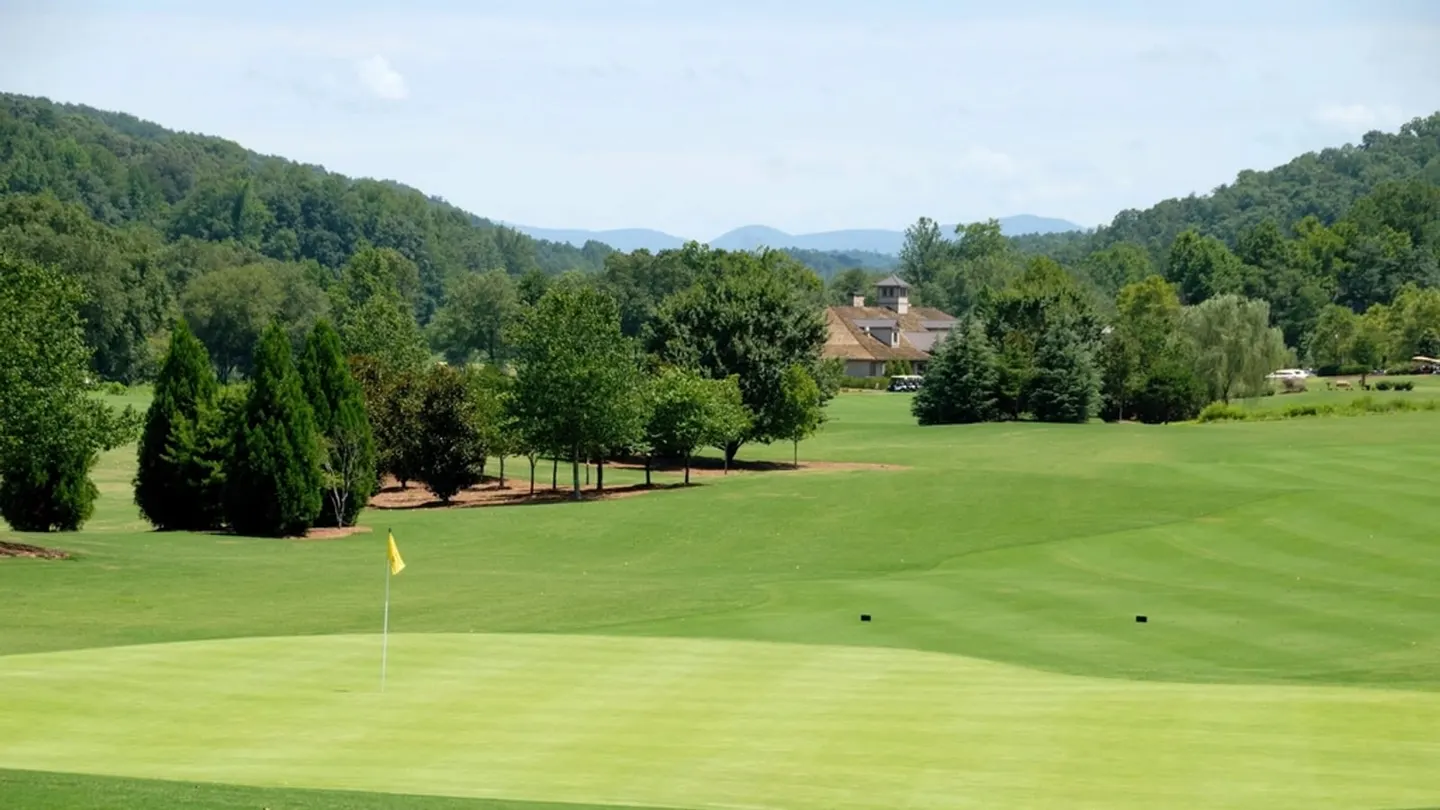
How to Break 100 for the First Time: A Step-by-Step Plan
Breaking 100 in golf isn't about hitting perfect shots — it's about avoiding disasters. Here's the exact bogey-golf strategy, hole-by-hole plan, and practice priorities to shoot 99 or better.
June 20, 2026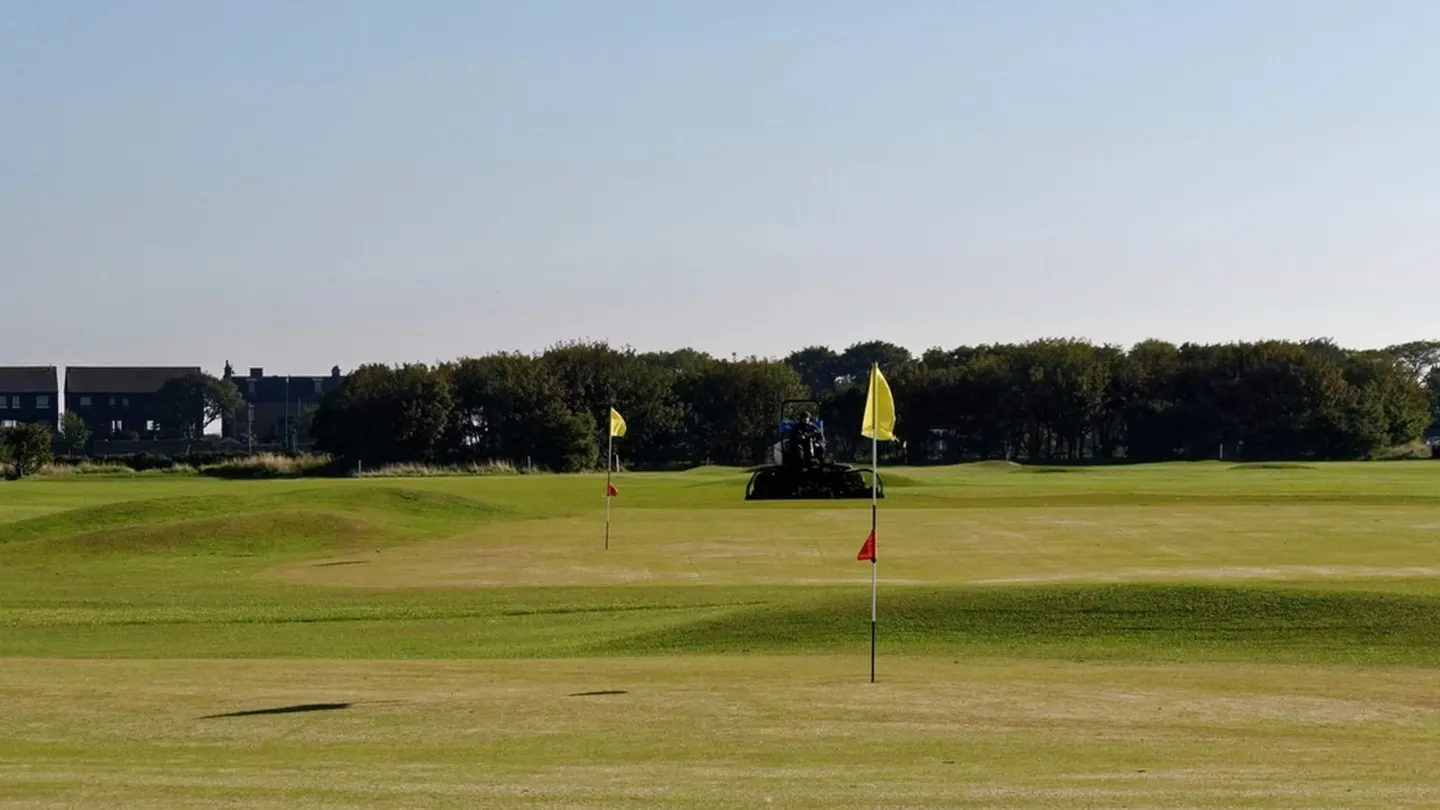
Golf Etiquette: 20 Rules Every New Golfer Should Know
The unwritten rules of golf etiquette — pace of play, safety, where to stand, caring for the course, and dress code. Learn the 20 essentials before your first round so you play with confidence.
June 12, 2026
Get better at golf, one email at a time
Join the newsletter for new beginner guides, honest gear reviews, and tips that actually lower your scores. No spam, ever.